DOOR 4.0

MILVUS
January 8, 2021
SPACE
January 8, 2021
PROJECT DOOR 4.0
The Door 4.0 research project is part of the European Clean Sky Project, that is the main European research program in the aeronautics sector, whose purpose is to reduce the impact of air transport on the environment by developing technologies that can allow the achievement of the following objectives:
- Reduction of fuel consumption with consequent reduction of polluting emissions of CO2 and NOx into the atmosphere
- Reduction of noise emissions
- A green product life cycle
(design - production - maintenance and disposal / recycling)
MEA
AEA
SUBJECT OF ANALYSIS:
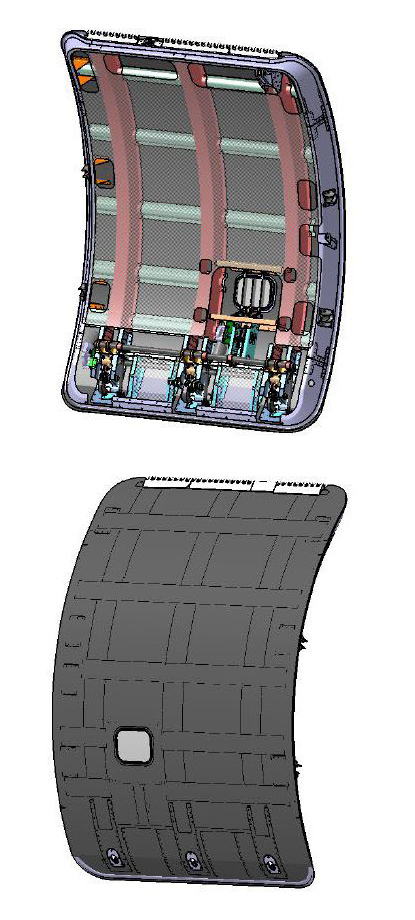
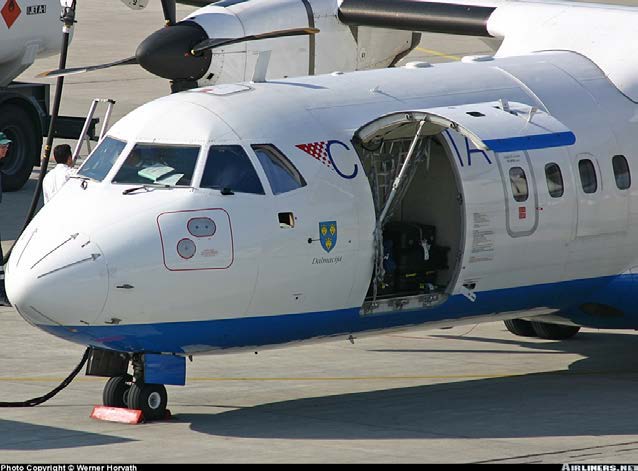
CARGO DOOR ATR 42/72
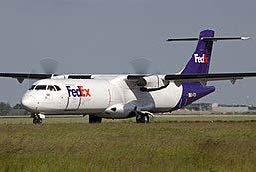
The Leonardo ATR 42/72 family undoubtedly represents a remarkable industrial success.
The ATR 42 - born in 1981 - was the first aircraft built by the ATR consortium (Aeromobili Trasporto Regionale); its first flight took place on August 16, 1984 and a year later, on December 9, 1985, he made its first scheduled flight with the French company Air Littoral.
In 1989, the stretched version ATR 72-200 followed, while the ATR 42-300 model, with greater carrying capacity and greater take-off weight, was the first standard model of the family until 1996.
The ATR 42-500 is the version currently in production. It is characterized by the restyling of the interiors, more powerful engines (PW 127Es) that allow a higher cruising speed (565 km / h or 305 knots), an autonomy maximum flight of 1850 km, the cockpit, new braking system and landing gear, the strengthening of wings and fuselage structure.
On October 2, 2007, the ATR announced the ATR - 600 version of its turboprop engines: new avionics (improved cockpit, equipped with updated instrumentation), new engines (PW127M), further weight gain and new cabin.
In 2018, Leonardo recorded the 1500th unit delivered. Actual forecasts predict additional 2500 machines expected until 2035.
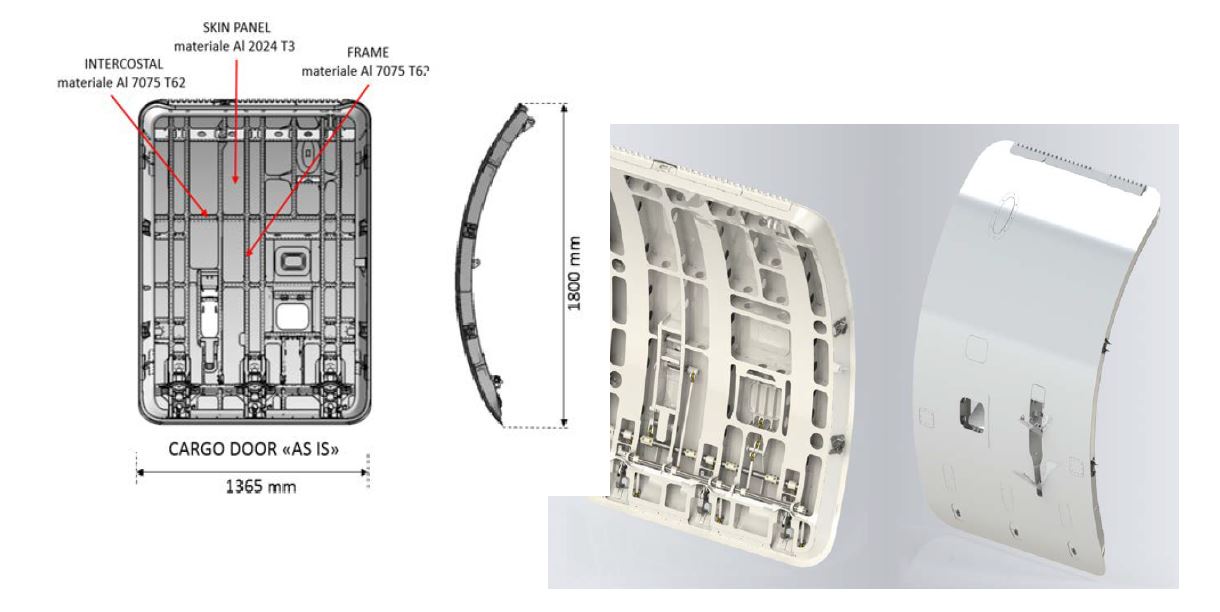
ATR 42/72 CARGO DOOR «AS IS»
Assy p/n 13S52376001-180


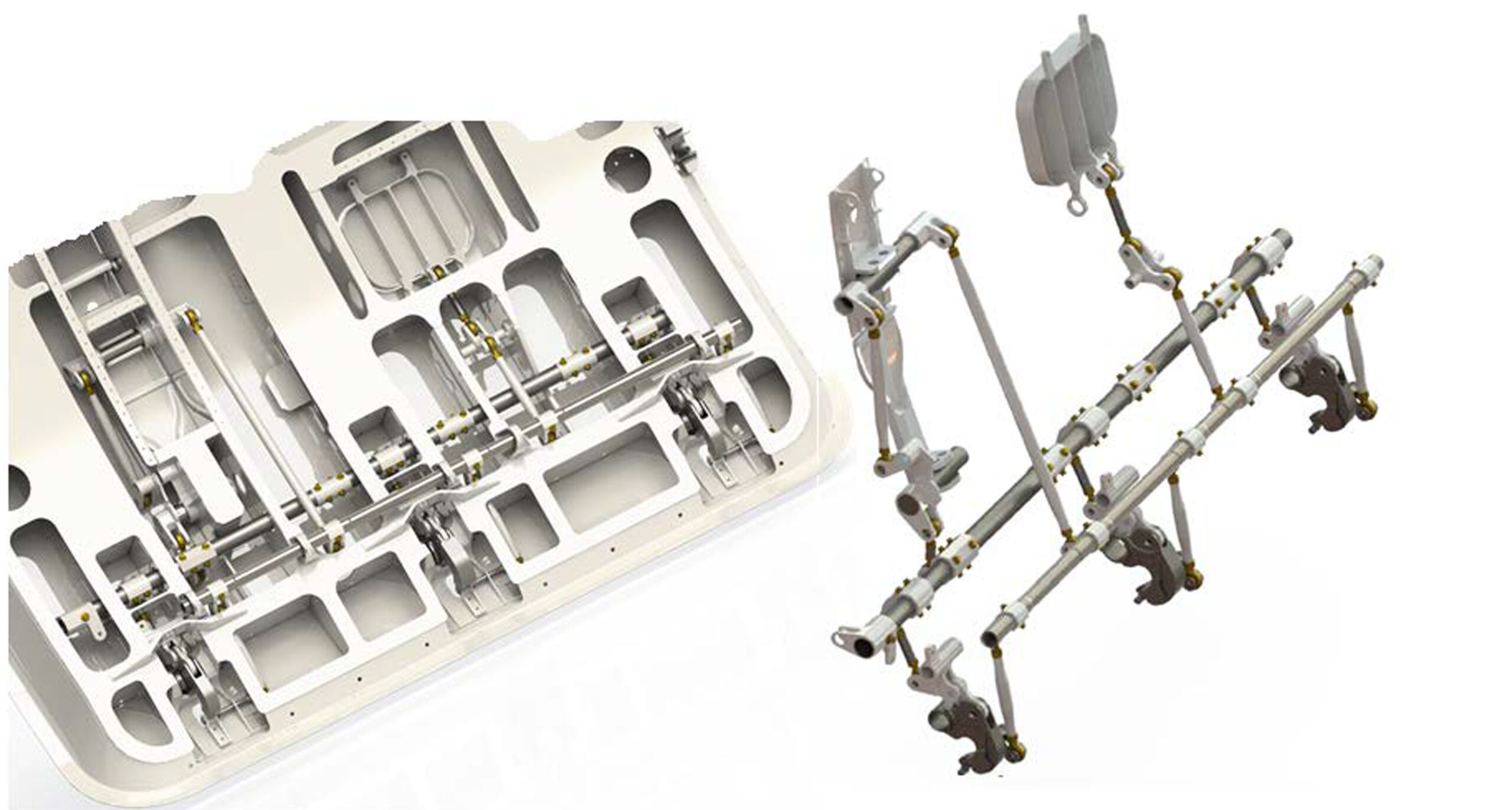
Latching and locking systems:
- MANUAL DRIVEN
- Push-Pull Rod : Aluminium AlloyTubes–End Fitting : Steel Alloy
- Torque Tubes Steel Alloy
SUMMARY
The goal of the DOOR 4.0 project is the development of a new CARGO door prototype for the aircraft Leonardo ATR42 / 72, which can be integrated with the existing fuselage, maintaining the old interfaces. The project , starting from a previous product , involves the re-design and development of a "new" system, through the integration of components and technologies currently available on the market and the use of innovative technologies that raise the technological content of the "final product", pursuing the following 4 lines of study.
ATR 42/72 CARGO DOOR «TO BE»
Assy p/n DOOR-00-100
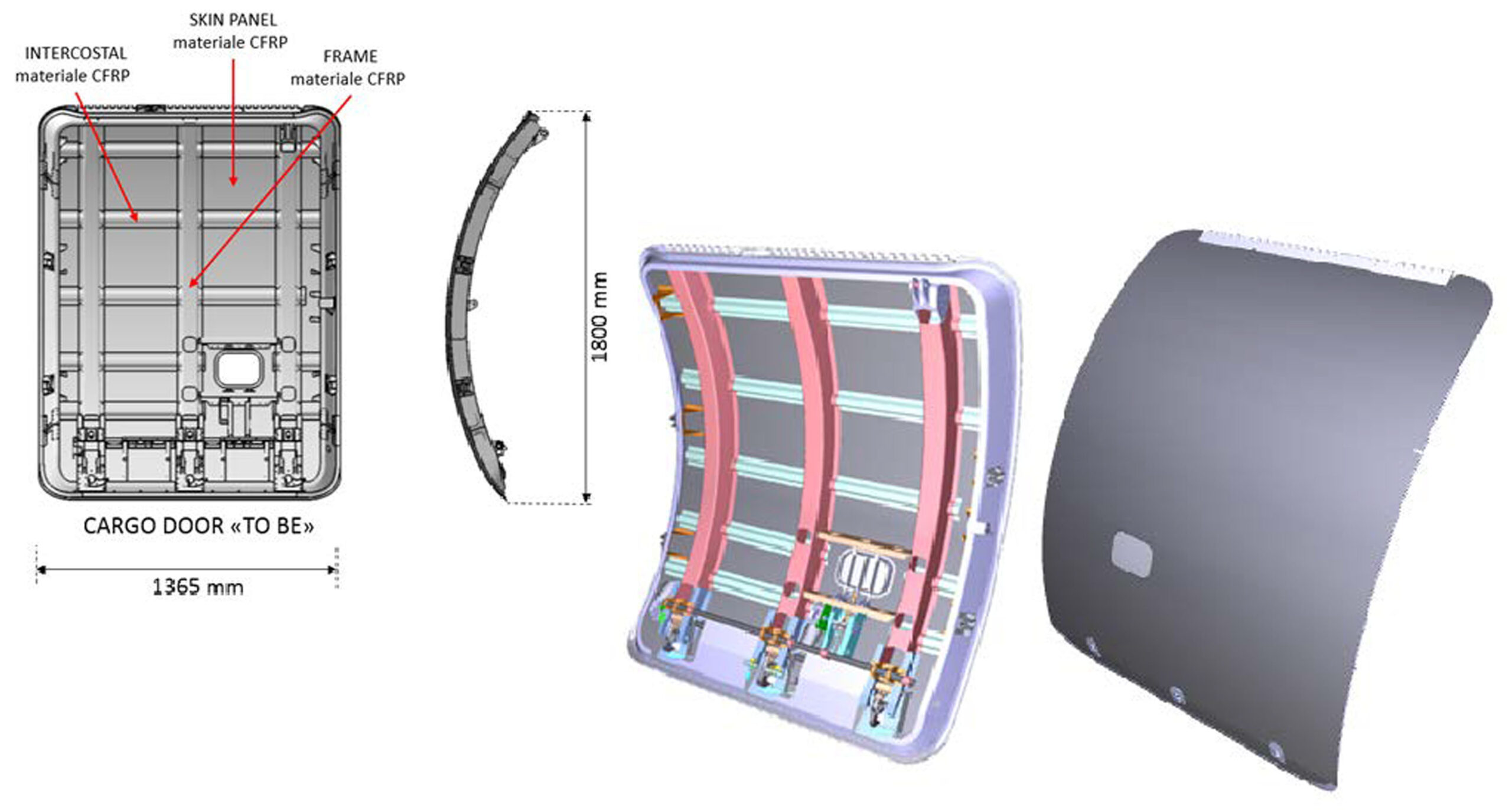
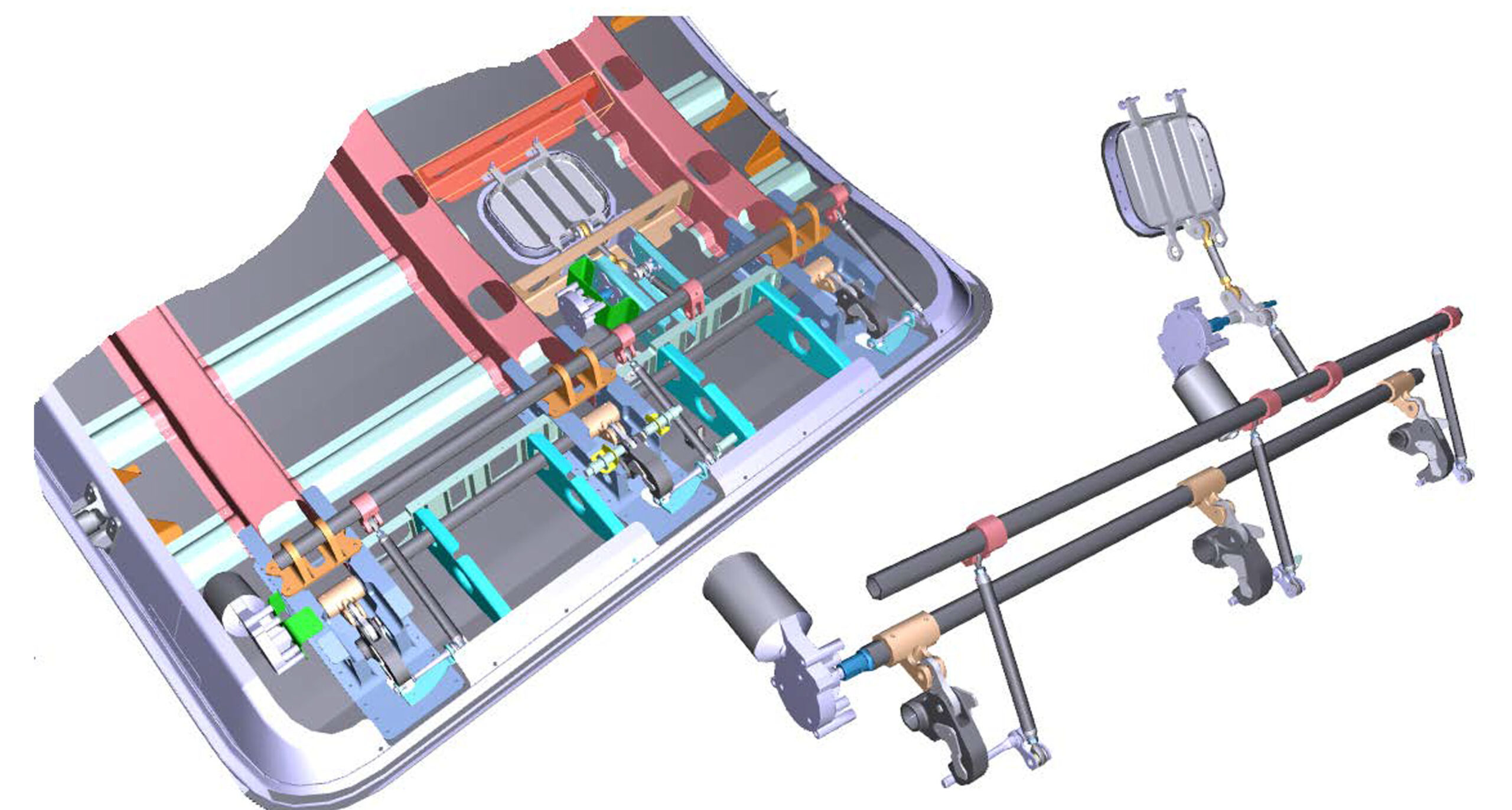
New latching and locking mechanisms:
- ELECTRICAL DRIVEN
- Push-PulRod CFRP Tubes–End Fitting
- Torque Tubes: CFRP Tubes–Technical Polymer